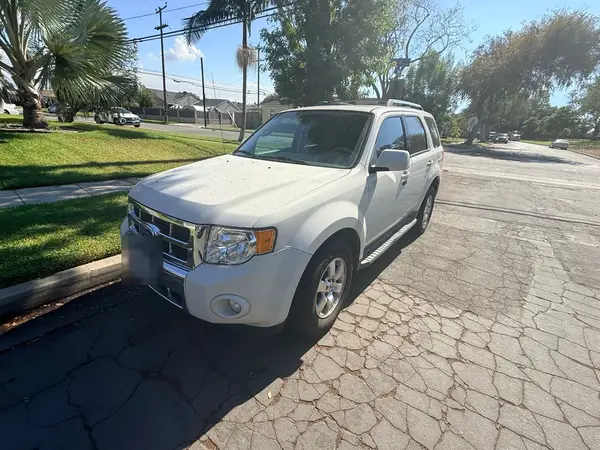
Ford Escape
 Central Valley Cash For CarsSe Habla EspañolENES
Two disasters, two different answers
An engine-bay fire caught in a minute and a car that sat in three inches of water are both filed under 'fire or flood damage,' and they have almost nothing in common. A newer car with a small, contained fire or shallow, brief water exposure can still carry real value. A burned-out shell or a car that went fully under does not. This page is where the two get separated — honestly, before you spend a day on it.
Get my guaranteed offerThe offer we make is the offer you get for 7 days, when the car matches its description. If hidden or unreported damage is found at pickup, any adjustment is shown with photo evidence before you decide.
A contained fire — an electrical fire caught early, a small under-hood fire on a newer car, damage limited to one area — leaves a car whose value depends on its year and what actually burned. On a newer car, that can still be a real purchase for us. A burned-out car — interior fully involved, engine compartment consumed, structure heat-damaged — is not a car anymore in any way we can price, and we'll say so the moment the description makes it clear.
Fire cars usually come with insurance paperwork attached. If the insurer totaled it and you retained it, expect salvage paperwork — and with that title in hand, the sale itself is routine (see our salvage title page).
Water damage is a gradient. Shallow fresh water, briefly, in a newer car that was never submerged — that we may be able to price after an honest description. Water over the floorboards for days, water into the dash and electronics, or a full submersion is a different fact: corrosion and module failures keep arriving for months, and on an older car there's nothing left to price. One warning that protects real money:
Do not try to start a flooded car. Cranking an engine with water in the cylinders can hydrolock it — turning a car with a fixable problem into a car with a blown engine. Leave it off, tell us it sat in water, and let the tow handle it.
Give us that version — the real one — and you'll get either a guaranteed offer or a plain no, in writing. On these cars especially, the accurate description is the whole game: hidden fire or flood damage discovered at pickup is exactly the kind of thing that forces an adjustment, with photo evidence shown to you before you decide.
Sometimes — it depends on depth, duration, and the car's year. Shallow, brief fresh-water exposure in a newer car can still be priceable. A submerged car, or one that sat in water for days, generally is not — the electronic and corrosion damage keeps growing after the water's gone. Describe what actually happened and we'll answer in writing.
On a newer car, it can be. A small, contained fire is damage with a boundary, and boundaries can be priced. Tell us where it burned, what was replaced or left alone afterward, and whether the car starts — and expect us to want photos before the offer is final.
No. If water reached the engine, cranking it can hydrolock the cylinders and destroy the engine outright — converting a damaged car into a parts car. Tell us the car sat in water and hasn't been started; that honesty protects the car's value and keeps your offer accurate.
Not while the claim is open and the insurer may take the car — a car the insurer is buying isn't yours to sell twice. Once the claim settles and you retain the car (usually with salvage paperwork), that's exactly when to send the intake.
Real cars we've bought — with photos from pickup day.
Ford Escape
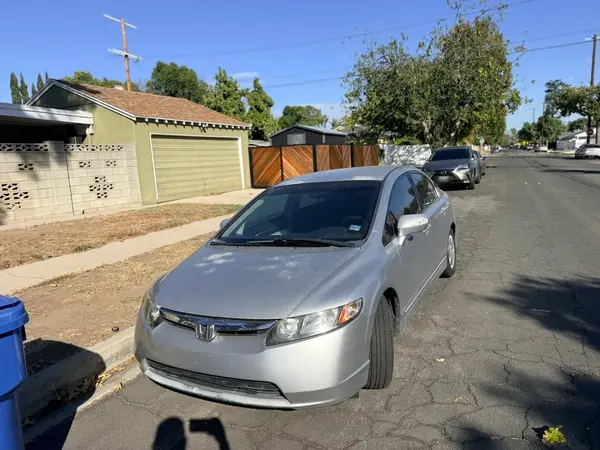
Honda Civic Hybrid
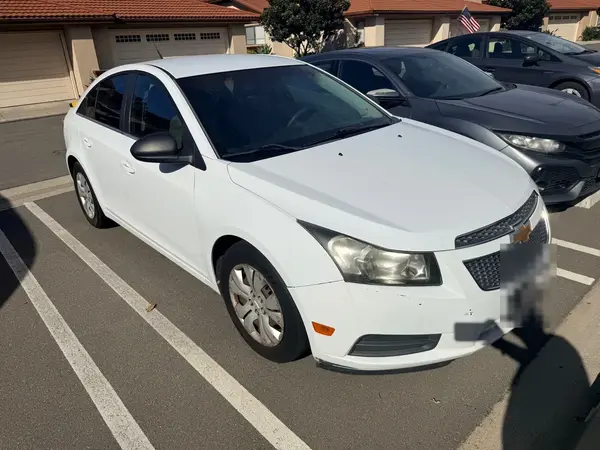
Chevrolet Cruze
That's a conversation worth having. Describe it honestly, send photos if you have them, and get a written answer — an offer, or a plain no — guaranteed in writing either way.
Get my guaranteed offer